History stretching back more than 600 years
Real-life strategy to reach your goals.
History Knights Grange has a recorded history stretching back more than 600 years. Originally, it was a medieval farming estate linked to Vale Royal Abbey, one of the most important Cistercian monasteries in Cheshire. The word “grange” referred to an outlying farm run by a monastery, and Knights Grange was used to provide food and income for the abbey.
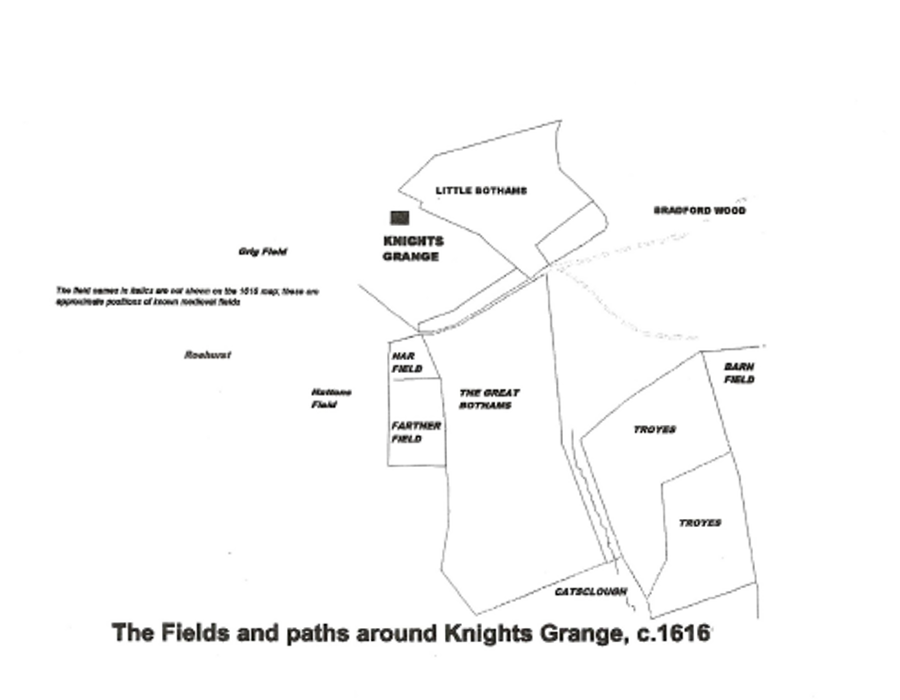
A detailed survey from 1537 describes the estate as the “Holy Grange of Knyghtes”. It included a number of named fields, meadows and pastures such as Great Meadow, Little Meadow, Cow Pasture, Calf Croft, Long Field, Short Field and Ox Leasow. These names reflected the different uses of the land, including grazing animals, growing crops and producing hay. Together, they give a clear picture of how the estate was organised and worked in the medieval period.
The estate changed hands after the Dissolution of the Monasteries under Henry VIII. In 1543, it was granted by the Crown to Hugh Starkey of Oulton, and the Starkey family then controlled it for many years. During this time, Knights Grange remained mainly agricultural, although there were disputes with neighbouring landowners over rights of way and access across the land.
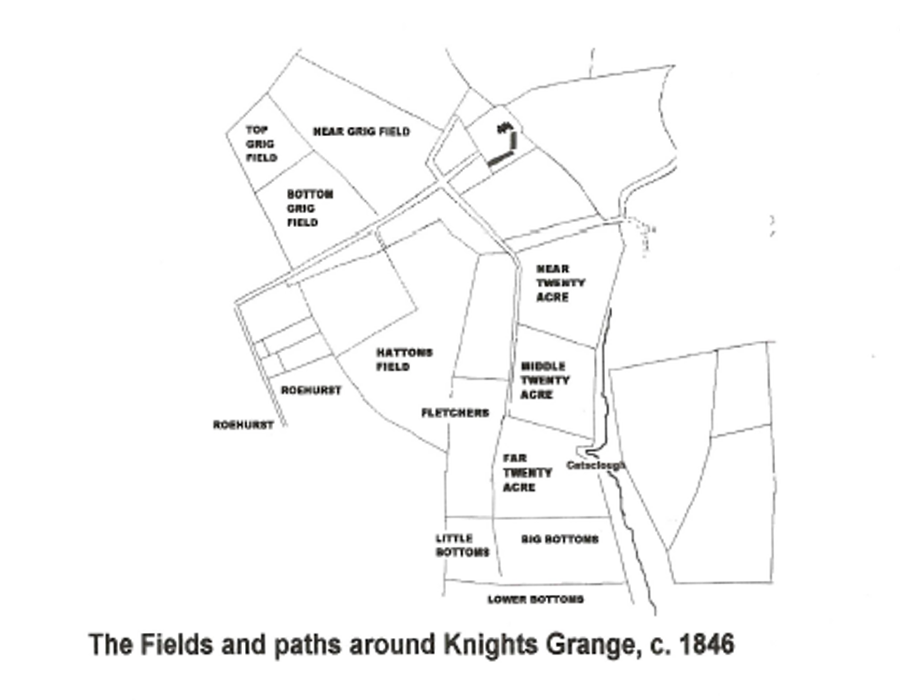
For centuries, much of the original farming landscape survived, with historic maps showing that many field boundaries stayed in place from the medieval period into the 19th century. In the 20th century, however, the area changed as Winsford expanded. In 1976, the land was developed into a major sports complex, and a golf club was added in 1983, with an 18-hole course opening in 2000. Today, Knights Grange is known for leisure and housing, but its medieval farming past remains a key part of its story.